2025
Philip Favro (J.D.'99): National Authority on Electronic Data, Special Master, and Counselor on AI and ESI.
SANTA CLARA, Calif., Dec. 8th, 2025—26 years after he graduated from Santa Clara Law, Philip Favro has launched a new law practice focused on electronically stored discovery (ESI) and advising clients in and outside of litigation on issues arising from electronic data. What started as traditional courtroom work in Northern California at the close of the last century has evolved into a nationwide practice in which Phil helps courts and parties resolve complex data disputes as a special master and ESI neutral. In addition to his work as a neutral, mediator, and counselor on ESI issues, Phil is teaching the next generation of lawyers how to manage discovery and ESI in a digital world.
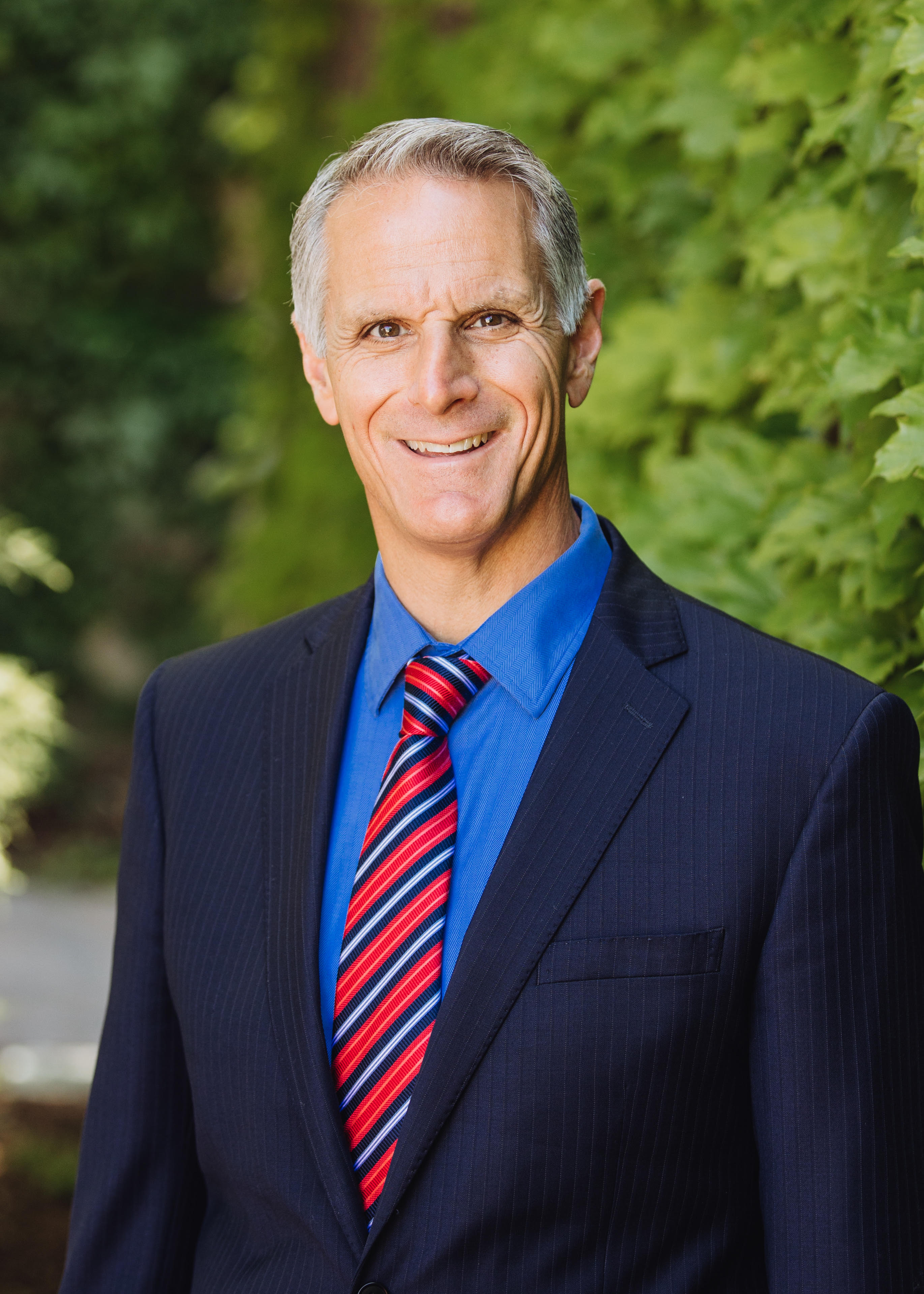
Phil began his career litigating business disputes and then segued to representing plaintiffs in high-stakes litigation. The practical experience he gained regarding the interplay between legal and technical issues on both sides of the litigation “v,” together with his temperament, made him a natural choice for court appointments and expert witness work. Having served for several years as a special master and ESI neutral in state and federal courts, Phil has learned to translate dense technical problems into practical solutions that judges and counsel can use to move cases forward.
Beyond his work as a neutral, Phil counsels clients on ESI-related issues in litigation and on developing policies and practices regarding AI and other forms of ESI. He is a mediator who has been honored with appointments to serve on mediation panels for federal courts in Los Angeles and Illinois. He also serves as an expert witness on ESI and discovery issues and has offered written and oral testimony in courts around the country. His testimony in the longstanding lawsuit between former NBA star Charles Oakley and Madison Square Garden was essential to the court’s disposition of disputed issues over Oakley’s lost text messages.
Education remains central to Phil as he currently teaches an e-Discovery & e-Evidence course at Gonzaga Law. Phil credits early mentorship, most notably a 3L clerkship with the Honorable Jeremy Fogel (ret.) and guidance from faculty such as Bob Peterson and Gary Neustadter, for sharpening his litigation instincts and respect for court process. Phil encourages students who wish to pursue a career in litigation to master technical basics, be conversant in procedure, and practice clear writing. Those skills make technical topics accessible to clients, adversaries, and courts.
It's interesting to note that Phil’s career pivot grew as much from practical need as well as personal preference. Reductions in force by former employers have caused him to rethink work and family priorities. To be sure, operating a law practice entails much work and many challenges. And yet, doing so allows Phil to focus on advising clients without having to deal with the internal complexities of large organizations.
Phil’s advice to students and junior lawyers is direct: “Be curious about technology, read broadly, build relationships, and stay humble.” He also recommends joining law review and seeking clerkships when possible because those paths sharpen analysis and open doors. On technical topics, he urges mastering the basics and staying current with technology. Those who do so will have all the more advantage in handling day-to-day issues for clients.
Outside work, Phil relocated to Utah from California many years ago. The move reflects a change of pace, allowing him to maintain his California bar license and professional ties while adopting a lifestyle he enjoys with his wife and three children.
In closing, Phil measures success not by headlines, but by his usefulness in the profession. He appreciates working with courts and parties to both reduce wasteful litigation fights and help adversaries come together to settle their disputes. He enjoys helping clients adopt better data practices and training lawyers who can bridge tech and law. That practical focus, coupled with years of court experience, explains why judges, firms, and clients consistently seek his input on thorny ESI issues.